-
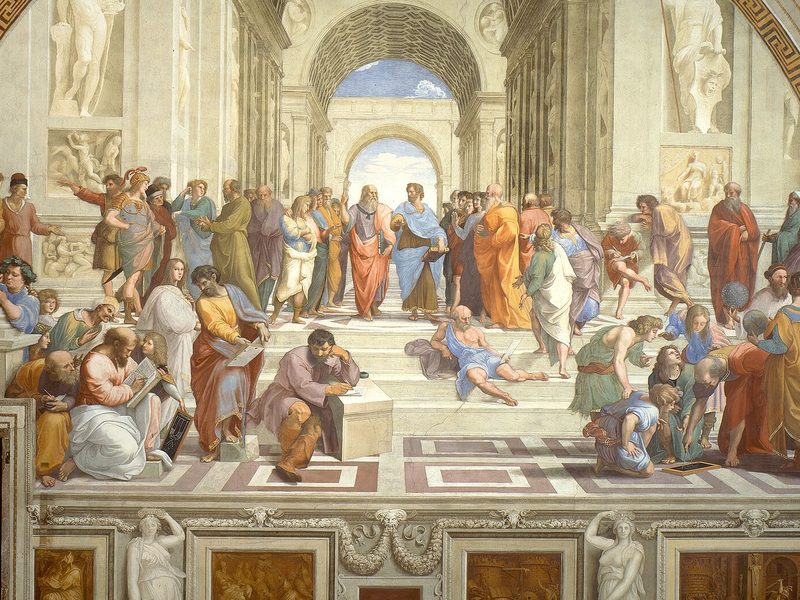
The School of Athens, day by day
From metalpoint studies and a cartoon of 210 sheets to some 47 patches of wet plaster, and the philosopher added after the wall was finished.
Read the guide → -
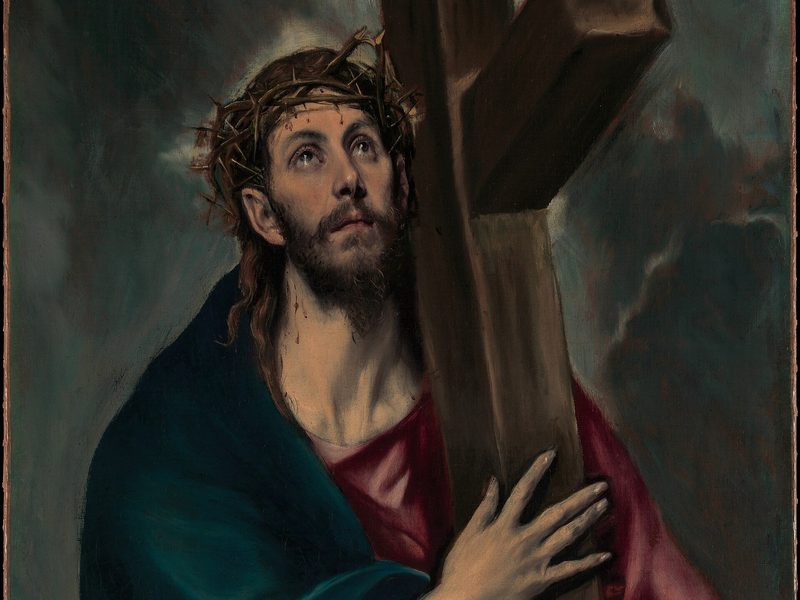
Christ Carrying the Cross, layer by layer
A Cretan icon painter's new Christ, built over a reddish ground and repeated by his workshop in version after version.
Read the guide → -
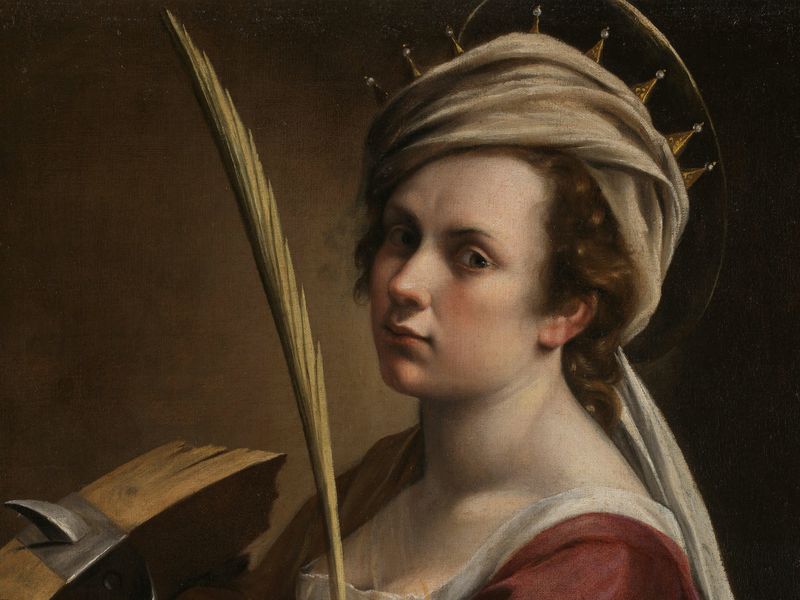
Self Portrait as Saint Catherine, a face from the mirror
A head traced from another self-portrait, a book hidden under the wheel, and a crown, halo and palm added at the last to make a saint.
Read the guide → -
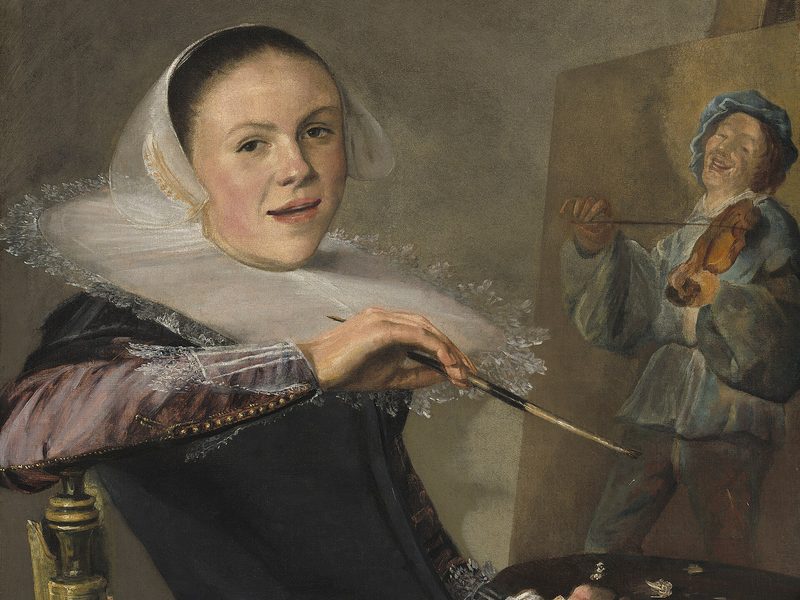
Self-Portrait, caught mid-stroke
A white ground and a grey-brown wash, a dress laid in with liquid strokes, and on the easel a woman's face painted out for a laughing fiddler.
Read the guide → -
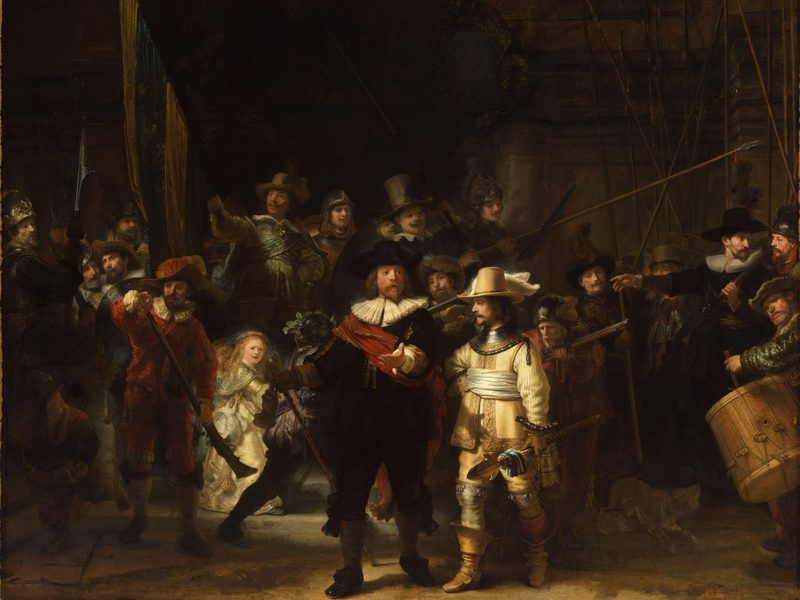
The Night Watch, back to front
A canvas brushed with a lead-rich oil under a brown ground, a sketch in chalky paint beneath the company, a scene worked up from the back to the front, and four strips cut off in 1715 when it moved to the Town Hall.
Read the guide → -
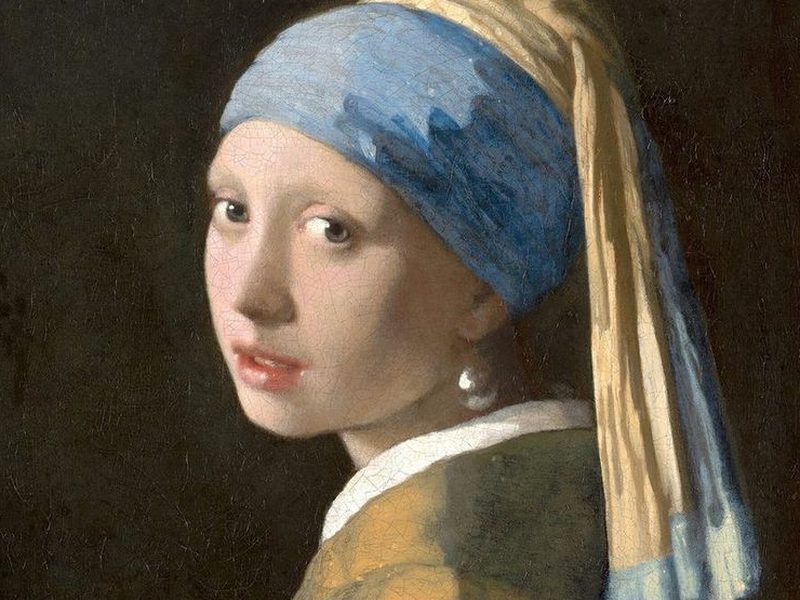
Girl with a Pearl Earring, layer by layer
Underlayers chosen for what goes on top, natural ultramarine worth more than gold, and a pearl made of three strokes.
Read the guide → -
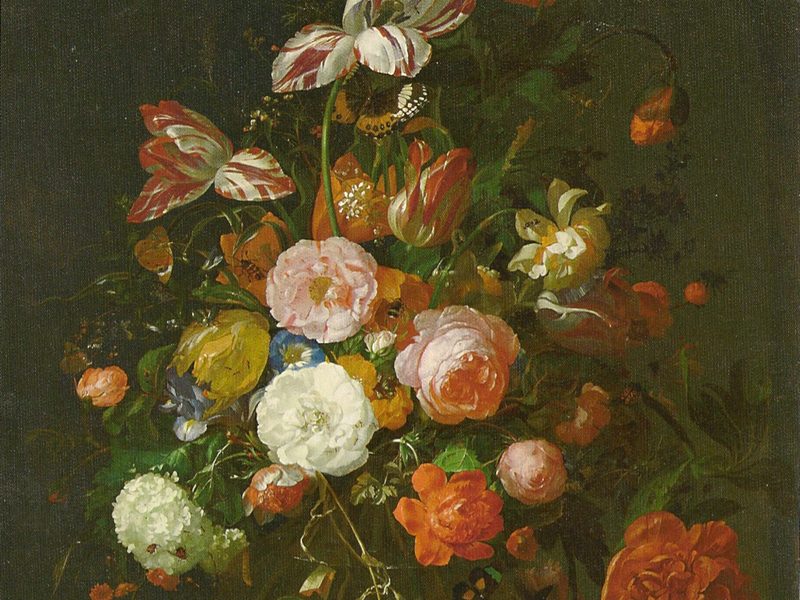
Bouquet of Flowers, pressed and painted
A bouquet built up on a dark ground, and a Red Admiral made from a real butterfly's wings, pressed into wet lead white so that their scales stayed in the paint.
Read the guide → -
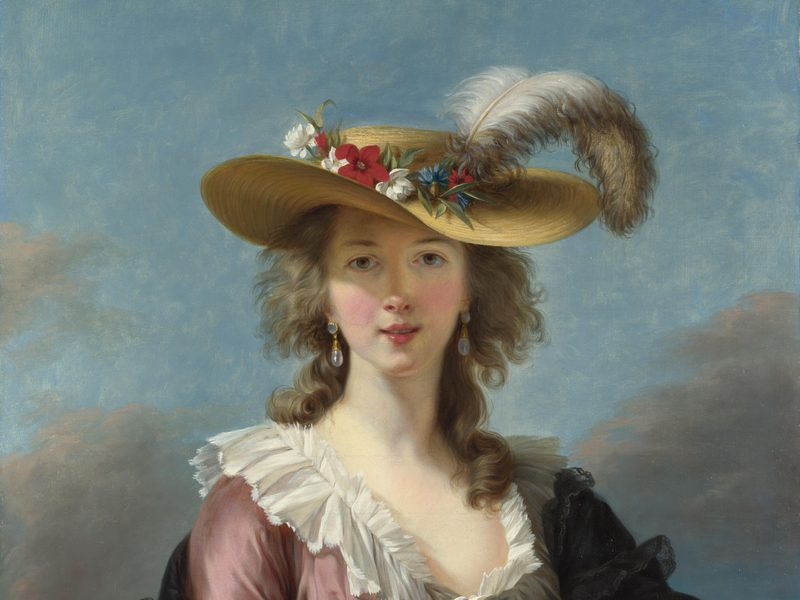
Self Portrait in a Straw Hat, painted twice
A Rubens seen in Antwerp, a face left in the shade of a hat, and a second version on canvas in which the hat comes down a centimetre and the smile widens.
Read the guide → -
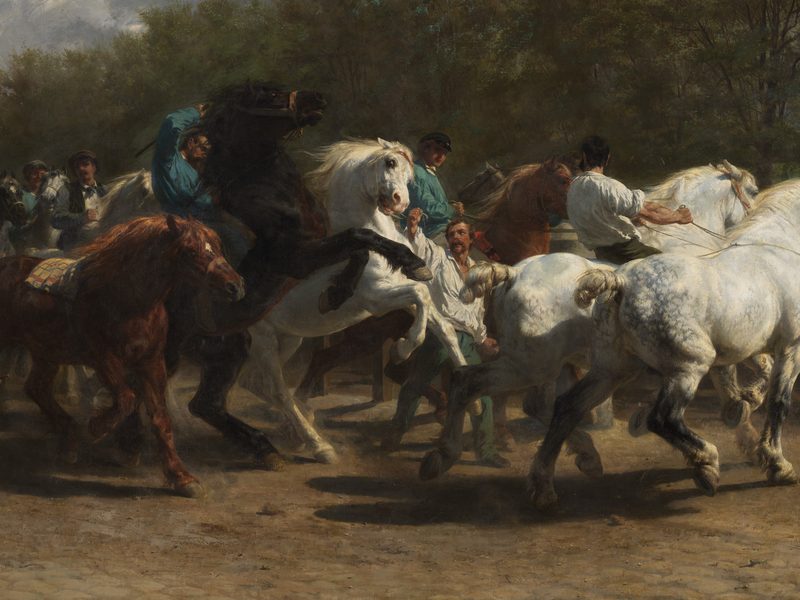
The Horse Fair, from the market to the frieze
Eighteen months of drawing among the horse dealers, a canvas five metres wide shown unfinished at the Salon of 1853, and a 5 added to the date when she went back to it.
Read the guide → -
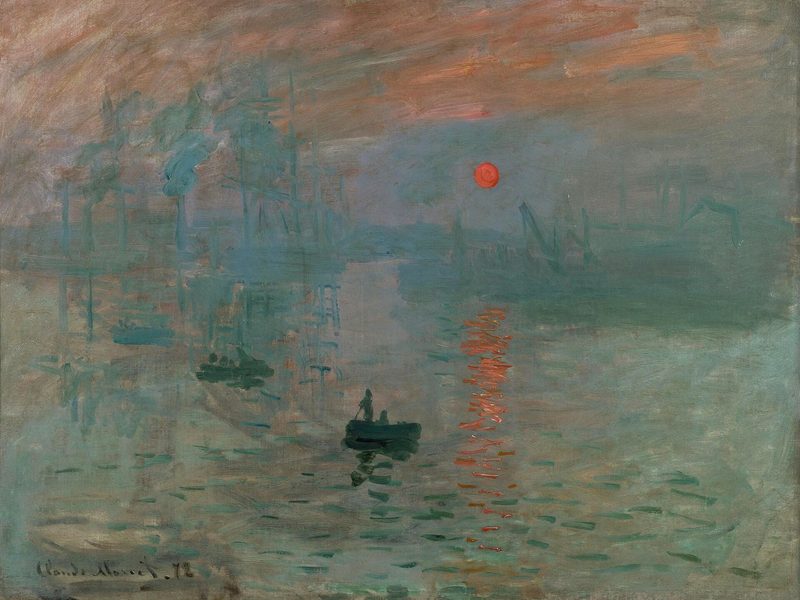
Impression, Sunrise, in one sitting
A few hours at a window over the harbour of Le Havre, a sun as bright as the sky around it, and the picture that named a movement.
Read the guide → -
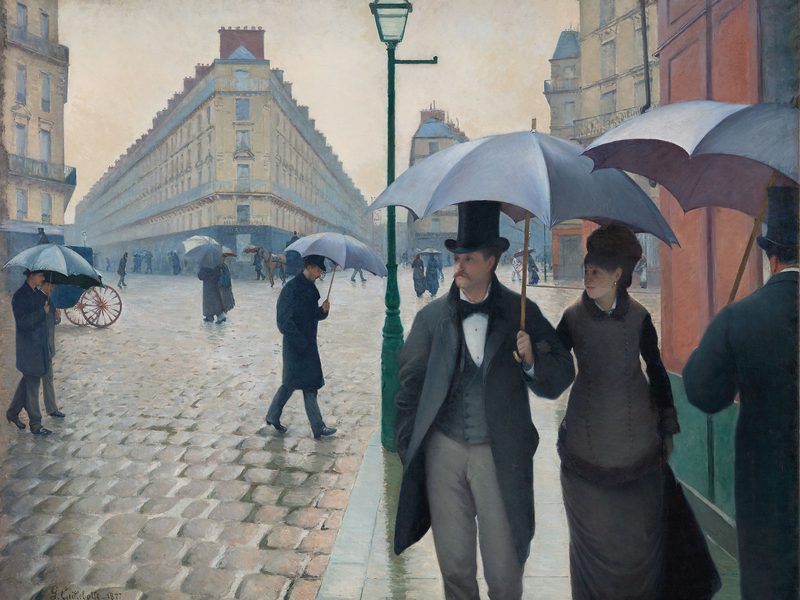
Paris Street; Rainy Day, pinned and ruled
A crossroads sketched at the corner, pins pushed into the canvas at the vanishing points, and a man, two women and a carriage added at the last.
Read the guide → -
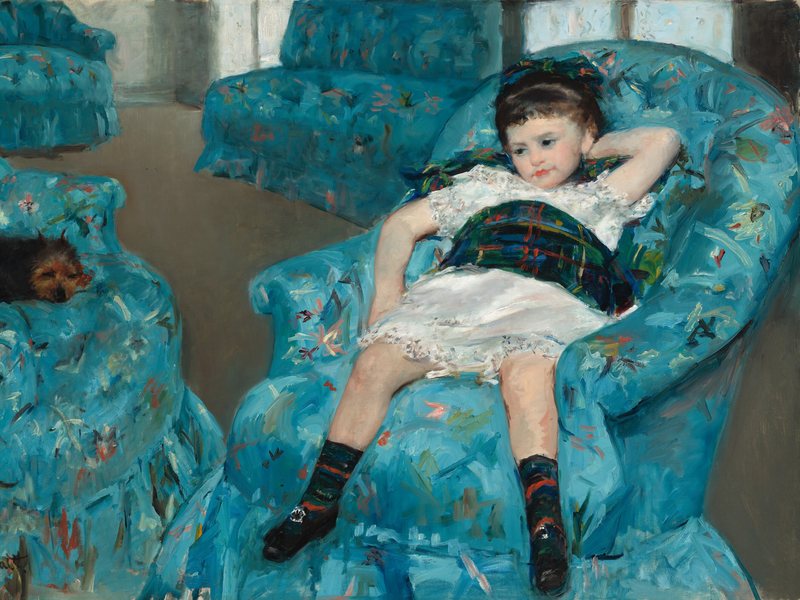
Little Girl in a Blue Armchair, with a corner by Degas
A child sprawled in turquoise chintz, a back wall that Degas turned into a corner, and a dog moved to the floor and back again.
Read the guide → -
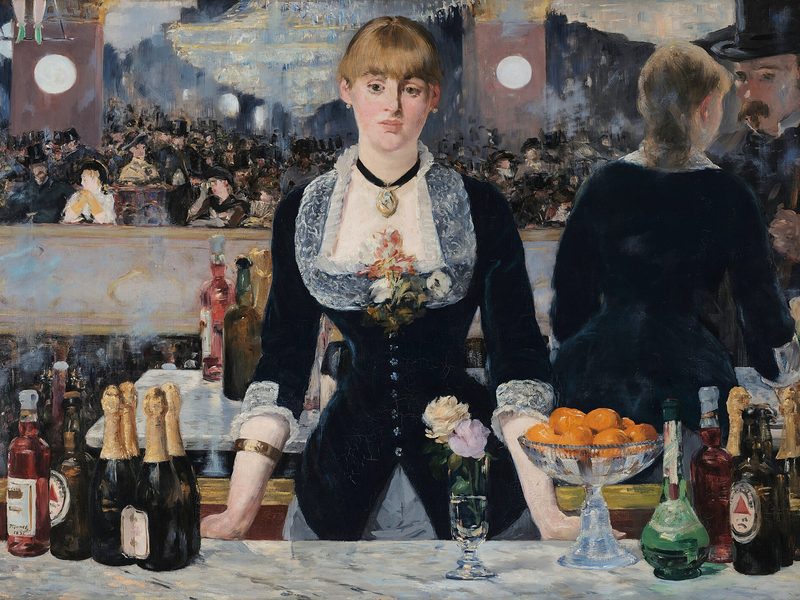
A Bar at the Folies-Bergère, rethought
A marble counter carried into the studio, a barmaid who posed behind it, a first arrangement copied from the oil sketch, and a reflection moved until it no longer added up.
Read the guide → -
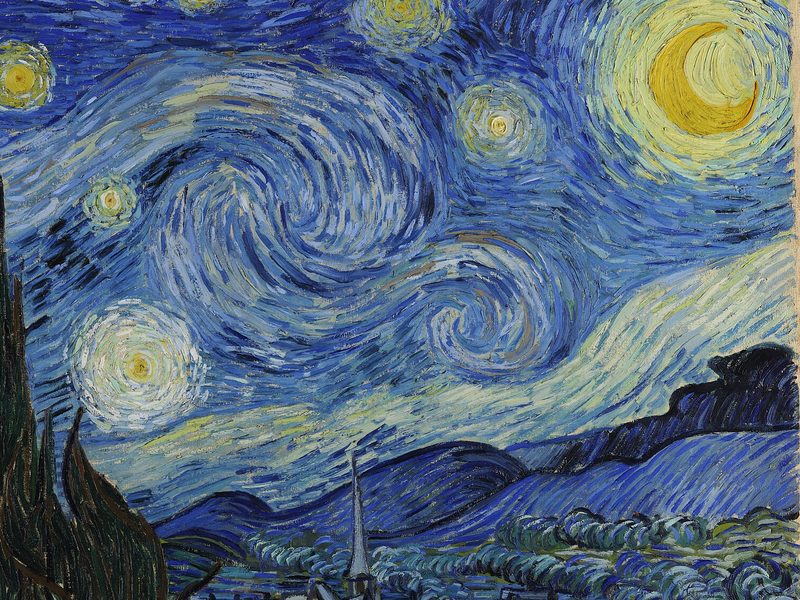
The Starry Night, stroke by stroke
A night sky painted by day from memory in an asylum studio, its stars left blank until last, and a 2026 study that re-dates it.
Read the guide → -
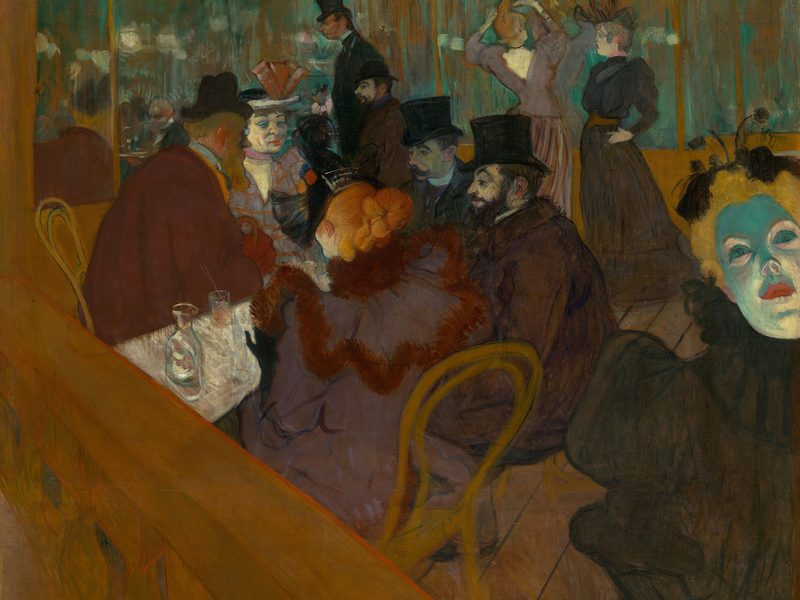
At the Moulin Rouge, cut and rejoined
Thinned paint on canvas after years on cardboard, friends at a table under electric light, and a green-faced woman cut away after the artist's death and put back by 1914.
Read the guide → -
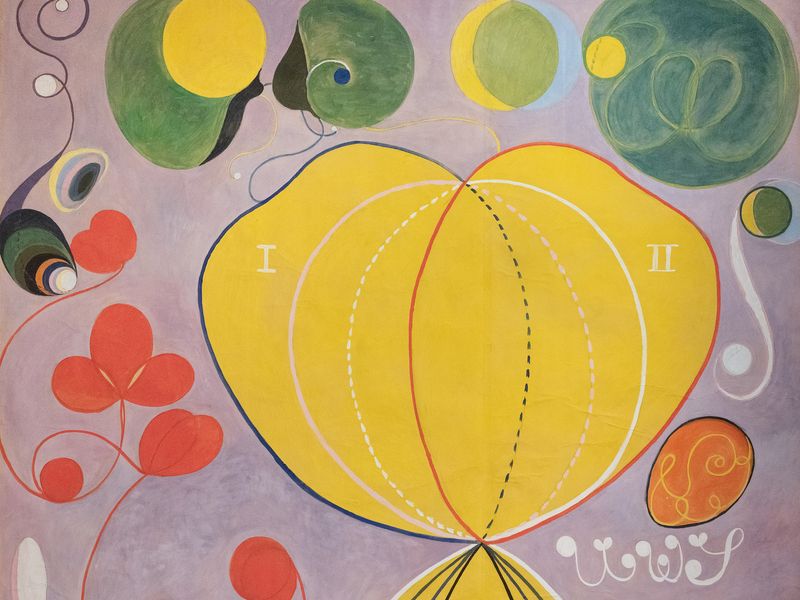
The Ten Largest, on the floor
Ten paintings more than three metres tall, commissioned, she wrote, by spirits, and made in a few weeks on sheets of paper laid on a studio floor. No. 7, Adulthood, stage by stage, and what no one has yet studied.
Read the guide →
How these guides work
Evidence first
Each chapter opens with a note on what it rests on: a technical study of the painting, documents, or the general practice of the period. Inference is labelled as inference.
Intermediate sources
The drawings, cartoons, letters and other versions that survive are shown with their collections and credits.
AI reconstructions
The stages in between were generated with Prodia from the real painting and kept in register with it. They show plausible appearances, not documented ones.
Open images
The paintings are shown from public-domain photographs, mostly from Wikimedia Commons and museum open-access collections. A few scientific images appear under Creative Commons licences, credited where they appear.